
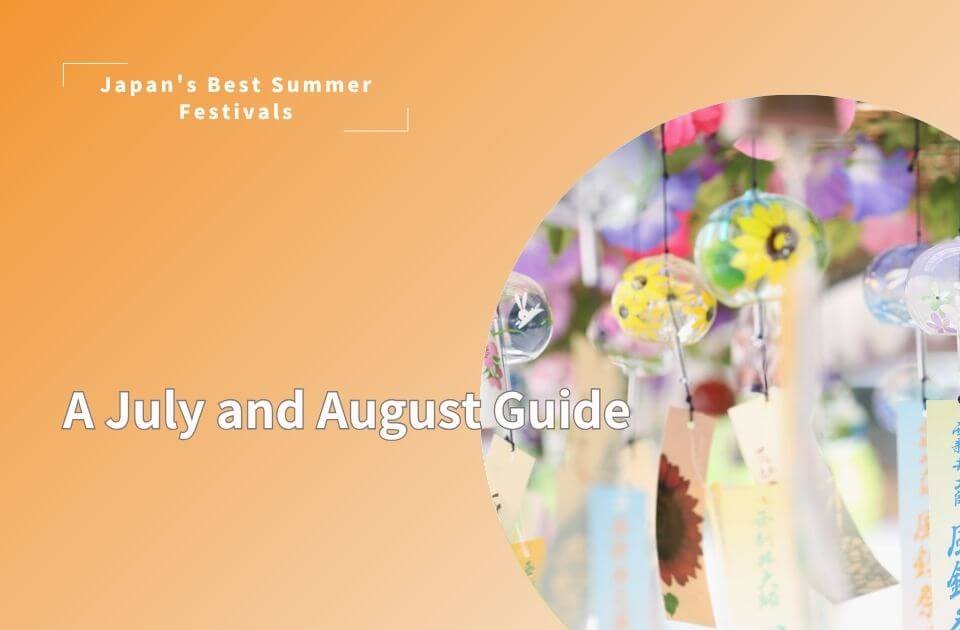
Summer in Japan is not just hot. It is a full sensory overload of taiko drums, lantern-lit streets, and the smell of yakisoba sizzling on portable grills. If you visit Japan in July or August, you are walking into the country’s most energetic season for festivals, known as matsuri. I have lived through enough Japanese summers to know that the heat will test you, but the festivals will reward you in ways you never expected.
Before we get into specifics, here is something most travel guides skip: Japanese summer festivals are deeply local events. Even tiny neighborhoods have their own matsuri, and those small ones are often more memorable than the famous mega-festivals. That said, the big ones are big for a reason. Let me walk you through the best of both worlds.
Gion Matsuri, Kyoto (All of July)
Gion Matsuri is the granddaddy of Japanese festivals. It has been running for over a thousand years, and while most people think of it as a single event, it actually spans the entire month of July. The highlight nights are Yoiyama on July 14-16 and the grand procession of floats, called Yamaboko Junko, on July 17 and July 24.
I made the mistake my first year of only going on the 17th. The procession is incredible, with massive wooden floats rolling through the streets, but the real magic happens during Yoiyama. The evenings of the 14th through 16th transform central Kyoto into a walking festival. Shijo and Karasuma streets close to traffic, and thousands of lanterns illuminate the towering floats parked along the roads. You can actually walk up to many of the floats and buy chimaki, sacred talismans wrapped in bamboo leaves, for about 1,000 to 3,000 yen each.
Practical tip: get to Kyoto by late afternoon and start walking from Shijo-Karasuma Station. The food stalls set up along Shinmachi-dori and Muromachi-dori, and this is where you want to be. Grab some hamo, a Kyoto summer specialty of pike conger eel, from any of the stalls. A skewer runs about 500 yen. The crowds get intense after 7 PM, so if you hate being shoulder to shoulder with people, arrive by 5 PM.
Nebuta Matsuri, Aomori (August 2-7)
If Gion Matsuri is elegant, Nebuta Matsuri is pure, unfiltered energy. Held in Aomori City in the far north of Honshu, this festival features enormous illuminated floats depicting warriors, gods, and mythical creatures. Each float is a handmade masterpiece of washi paper and wire, lit from within so they glow against the night sky.
What makes Nebuta different from every other festival I have attended in Japan is the crowd participation. Dancers called haneto jump and shout “Rassera! Rassera!” alongside the floats, and here is the best part: you can join them. All you need is the official haneto costume, which you can rent from shops around Aomori Station for about 4,000 yen, or buy a set for around 8,000 to 10,000 yen. Put on the costume, join a group, and suddenly you are part of one of Japan’s biggest festivals.
I did this on my second trip to Aomori and it completely changed how I experience festivals. You are not watching anymore. You are inside the festival, jumping and chanting until your legs give out.
Getting there: the Tohoku Shinkansen from Tokyo to Shin-Aomori takes about three hours and twenty minutes. Book hotels months in advance because Aomori fills up completely during Nebuta. If you cannot find a room, Hirosaki, about 40 minutes away by train, is a good backup base.
Awa Odori, Tokushima (August 12-15)
Tokushima’s Awa Odori is the largest dance festival in Japan, drawing over a million visitors during the Obon holiday period. The dance itself is deceptively simple: dancers move in coordinated groups through the streets, and the famous saying goes, “It is a fool who dances and a fool who watches, so you might as well dance.”
There are two ways to experience it. You can buy reserved seating at one of the official viewing stands, called sajiki, for about 2,000 to 2,500 yen per seat. These are along the main parade routes in central Tokushima. Or you can do what I prefer: find one of the free viewing areas and then, after the main performances, head to the niwaka ren, which are the impromptu dance circles where anyone can join in.
The dancing goes from about 6 PM to 10:30 PM each night. My favorite spot is the Minami Shinmachi area, where the energy is more relaxed and the dancing feels more spontaneous.
Tenjin Matsuri, Osaka (July 24-25)
Osaka does not do anything halfway, and Tenjin Matsuri proves it. This is one of Japan’s top three festivals, and it features a river procession of over 100 boats on the Okawa River, followed by a massive fireworks display on the evening of July 25th.
The best free viewing spot I have found is along the river near Sakuranomiya Station. Get there by 5 PM to claim a decent spot. If you want to be on the water, some boats offer rides for about 6,000 to 20,000 yen depending on the package, usually including food and drinks.
During the daytime on July 25th, the land procession moves from Osaka Tenmangu Shrine through the Tenjinbashi area. The shrine itself is free to enter and worth visiting before the crowds peak. The area around Tenjinbashi-suji Shotengai, Japan’s longest shopping arcade, is packed with food vendors during the festival, and this is where you will find some of the best takoyaki of your life for about 600 yen per serving.
Tanabata Matsuri, Sendai (August 6-8)
Sendai’s Tanabata is the most visually stunning festival on this list. The city’s shopping arcades are draped with thousands of elaborate streamers made from washi paper, each one handcrafted over months. Walking through the arcades feels like moving through a tunnel of color.
Unlike the high-energy festivals above, Tanabata has a gentler atmosphere. It is perfect if you want the matsuri experience without being crushed in a crowd. The main displays are along Chuodori Avenue and the Ichibancho shopping arcade, and they are completely free to enjoy.
The evening before, August 5th, features the Tanabata Eve Festival with fireworks along the Hirose River. This is actually my preferred night because the crowds are smaller and the combination of streamers and fireworks is gorgeous.
Smaller Festivals Worth Seeking Out
Not every great matsuri draws a million people. Some of the festivals I remember most vividly are the ones I stumbled into by accident.
In late July, the tiny town of Gujo Hachiman in Gifu Prefecture holds Gujo Odori, a dance festival that runs for 32 nights. During the four nights of Obon, the dancing goes all night long, from 8 PM to 5 AM. The town has a population of about 40,000, but it swells during the festival. A night bus from Nagoya takes about two hours, and the whole experience feels like stepping back in time.
Kishiwada Danjiri Matsuri in September, technically just past summer, is one of the most thrilling festivals I have ever witnessed. Massive wooden carts weighing several tons are pulled through narrow streets at full speed, with riders standing on the roof. It is heart-stopping. Kishiwada is just 20 minutes south of central Osaka by Nankai Railway.
In Akita, the Kanto Matsuri in early August features performers balancing enormous poles hung with dozens of paper lanterns on their foreheads, shoulders, and hips. The skill required is unbelievable, and the festival grounds along Chuo-dori in Akita City offer free standing areas.
Surviving Festival Season: Practical Advice
Japanese summer festivals happen during the hottest, most humid time of the year. Here is how to handle it based on hard-won experience.
Hydration is non-negotiable. Every convenience store sells sports drinks like Pocari Sweat and Aquarius for about 150 yen. Buy them constantly. I once tried to tough out a full day at Gion Matsuri without enough water and ended up sitting in a FamilyMart for 30 minutes just to recover in the air conditioning.
Bring a small towel, called a tenugui. Japanese people carry these everywhere in summer, and you should too. You can buy them at any 100-yen shop or pick up a festival-specific one as a souvenir for 500 to 1,000 yen.
Wear comfortable shoes. Festival grounds are often unpaved, and you will be standing for hours. Leave the sandals at the hotel unless you want blistered feet.
Transportation gets chaotic during major festivals. Trains to and from festival areas will be packed, and some roads close to traffic. Build in extra time for everything. For the biggest festivals, consider staying at accommodation within walking distance of the venue.
Many festivals offer yukata rental shops nearby. Wearing a yukata, a lightweight summer kimono, to a festival is one of the most enjoyable things you can do in Japan. Rental typically costs 3,000 to 5,000 yen and includes dressing assistance. In Kyoto during Gion Matsuri, there are rental shops on nearly every block around Shijo.
What the Guidebooks Miss
Here is something I wish someone had told me before my first Japanese summer festival: the food is half the experience. Do not eat dinner beforehand. Show up hungry and graze your way through the yatai, the festival food stalls. Start with yakisoba (about 500 yen), move to okonomiyaki (600 yen), try some ikayaki grilled squid (400 yen), cool down with kakigori shaved ice (300 to 500 yen), and finish with a candy apple or chocolate banana for dessert.
Also, Japanese festivals are not just entertainment. Many of them have deep spiritual significance tied to Shinto shrines and Buddhist temples. If you see a mikoshi, a portable shrine being carried through the streets, that is a sacred object being paraded through the neighborhood to bless the community. Take a moment to appreciate that you are watching a living tradition that has been continuous for centuries.
Finally, do not just watch. The number one regret I hear from visitors is “I wish I had joined in.” Whether it is dancing at Awa Odori, chanting at Nebuta, or clapping along at a neighborhood bon odori, Japanese festivals are participatory by nature. Nobody will judge you for trying. In fact, locals will be thrilled.
So pick a festival. Any festival. Book your train ticket, pack your tenugui, and jump in. Summer in Japan is waiting, and it is louder, brighter, and more alive than you can possibly imagine.
Follow Japan is your insider guide to experiencing Japan like a local. Follow @followjapan_fj on Instagram for daily Japan travel tips and hidden gems.


