
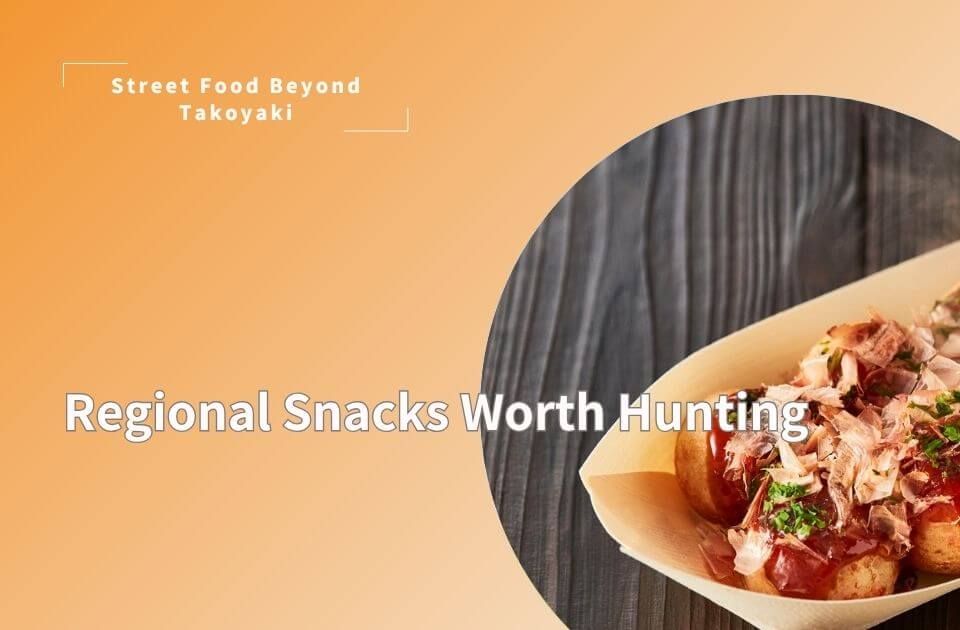
The first time I truly understood Japanese street food was not at a famous market in Osaka or Tokyo. It was at a tiny festival in a town whose name I cannot even remember, somewhere in Gifu Prefecture. A woman was pressing a sticky rice cake onto a flat iron grill, painting it with sweet soy sauce, and wrapping it in a leaf. She handed it to me, still warm, for 200 yen. I ate it in three bites, standing in the middle of a shrine path, and it was so good I immediately got back in line for another one. That snack, a simple mitarashi dango variation, does not appear in any guidebook. And that is the problem with most articles about Japanese street food: they begin and end with takoyaki and taiyaki.
Japan’s real street food story is regional. Every prefecture, every city, sometimes every neighborhood has its own snack born from local ingredients, local climate, and local stubbornness about doing things their own way. Here are the regional street snacks worth hunting across Japan.
Nikuman and Butaman: Kansai vs. Kanto, Steamed Bun Wars
Let us start with something you will see everywhere but might not realize has regional character. Steamed meat buns are sold at every convenience store in Japan (about 180 to 250 yen), but the specialist shops are where these humble buns become transcendent.
In Kobe, Roshoki in Nankinmachi (Chinatown) has been making butaman (pork buns) since 1915. A single bun costs 440 yen and is noticeably larger and juicier than the convenience store version. The pork filling is seasoned with oyster sauce and the dough is fluffy and slightly sweet. In Yokohama’s Chinatown, Koshuki (460 yen per bun) is equally legendary. Both shops usually have a line, but it moves fast.
In winter, look for imagawayaki (thick round pancakes filled with red bean paste or custard) grilled fresh at street stalls and train stations across Japan. Shinshindo near Kyoto Station sells them warm for 160 yen each, and the crispy exterior with molten azuki filling is perfect hand-warming cold-weather food.
Kiritanpo: Akita’s Grilled Rice Sticks
Kiritanpo are cylinders of pounded rice wrapped around cedar sticks and grilled over charcoal. In Akita Prefecture, they are a beloved regional food, served in a rich chicken broth with mushrooms, burdock root, and seri (Japanese parsley). But as a street snack, you will find them at festivals and roadside stalls simply grilled and brushed with miso paste.
The charred, slightly chewy rice exterior with the salty-sweet miso is ridiculously good. At autumn festivals in Kakunodate and Yokote, fresh kiritanpo go for about 300 to 400 yen per stick. Even at Akita Station, vendors sell them from small carts. If you are in Tohoku between October and March, keep your eyes open.
Gohei Mochi: The Mountain Snack of Central Japan
Gohei mochi is a specialty of the Chubu mountain region, particularly Nagano, Gifu, and Aichi Prefectures. Pounded rice (not as fine as regular mochi) is pressed into flat paddles or balls, skewered, coated with a walnut-miso or soy sauce glaze, and grilled until the outside is caramelized and crunchy.
In the Kiso Valley post towns of Tsumago and Magome, gohei mochi is sold from nearly every shop and stall. At Daikokuya in Magome, a freshly grilled skewer costs 350 yen and the walnut-miso glaze is thick and nutty. In Takayama, look for gohei mochi at the morning markets (asaichi) along the Miyagawa River.
This is one of those snacks that tastes best eaten outdoors on a cold day, standing on a centuries-old post road with mountains in every direction.
Kakuni Manju: Nagasaki’s Pork Belly Bun
Nagasaki’s food culture is heavily influenced by Chinese and Dutch trading history, and kakuni manju is the perfect example. A soft, steamed bun is filled with a thick slab of braised pork belly (kakuni), slow-cooked until it melts on your tongue. The pork is sweet, savory, and so tender it barely requires chewing.
Iwasaki Honpo in central Nagasaki (near Hamano-machi arcade) sells them for 500 yen each, and they are worth every yen. You can also find them at Nagasaki Station and at stalls during Nagasaki Kunchi festival in October. They are smaller and cheaper (300 to 400 yen) from convenience stalls near Glover Garden and Oura Church.
Senbei: Beyond the Souvenir Box
Most tourists encounter senbei (rice crackers) as packaged souvenirs. But freshly grilled senbei, made to order at street stalls and specialty shops, are an entirely different experience. The crunch, the warm soy sauce glaze, the slight char from the grill: there is no comparison with the packaged version.
In Soka, Saitama Prefecture (about 30 minutes from central Tokyo on the Tobu Skytree Line), senbei shops line the main street. Senbei is Soka’s identity, and shops here have been making them for generations. You can watch artisans press and grill each cracker over charcoal and buy them fresh for 100 to 300 yen each.
In Kamakura, the Komachi-dori shopping street has several shops selling freshly grilled senbei. The ones at Arashiyama Yoshimura in Kyoto (near the bamboo grove) are grilled in front of you with a choice of soy sauce or salt (200 to 350 yen).
Ikayaki: Kansai’s Squid Pancake
Not to be confused with the grilled squid on a stick that you find at festivals everywhere, Osaka’s ikayaki is a unique creation: squid pieces pressed inside a thin wheat flour batter and grilled flat on an iron press, like a squid waffle. The result is crispy, chewy, savory, and utterly addictive.
The most famous spot is the ikayaki stand in the basement food court of Hanshin Department Store in Umeda, Osaka. They have been making them since the 1950s and sell an estimated 4,000 per day. A single ikayaki costs 196 yen. The line is constant, but it moves quickly because each one is pressed in about 30 seconds. I have never met anyone who ordered just one.
Age Manju: Gunma’s Deep-Fried Tradition
Manju (steamed buns filled with sweet bean paste) are common across Japan, but in Gunma Prefecture, they deep-fry them. Age manju (fried manju) have a thin, crispy shell and a hot, sweet azuki bean filling. The combination of textures, crunch outside and smooth inside, is simple but perfect.
Shops around Isesaki and Kiryuu serve them, but the most famous spot is along the approach to Takasaki’s Shorinzan Daruma-ji Temple. At the stalls here, freshly fried manju cost about 100 to 150 yen each and are best eaten immediately, still too hot, blowing on your fingers between bites.
Mentai French: Fukuoka’s Guilty Pleasure
Mentaiko (spicy cod roe) is Fukuoka’s signature ingredient, and while it appears in rice bowls, pasta, and sushi across the city, the ultimate street snack form is mentai French: french fries topped with generous amounts of mentaiko mayonnaise. It sounds like drunk food, and it is. But it is also served proudly at shops across Fukuoka.
Near Tenjin Station, stalls along Oyafuko-dori sell mentai French for about 400 to 500 yen. The fries are thick-cut, the mentaiko mayo is rich and spicy, and the combination is the kind of thing you crave at midnight. For a more refined version, Fukutaro, a famous mentaiko maker, has a shop near Canal City where you can try mentaiko in multiple forms including on fries.
Dango: Regional Variations You Need to Try
Dango (rice dumplings on sticks) are found everywhere in Japan, but regional variations are worth seeking out. In Takayama, mitarashi dango are grilled and coated in a soy sauce glaze that is more savory and less sweet than the standard version (100 to 200 yen per stick at stalls along the old town). At Komagata Dojo near Asakusa in Tokyo, a dango shop has been operating for over a century.
In Sendai, zunda mochi features dango topped with a bright green paste made from edamame (young soybeans). It is sweet, nutty, and unlike any dango you have had before. Zunda Saryo in Sendai Station sells zunda mochi for about 380 yen and a zunda shake for 300 yen. The shake is a phenomenon, blending sweet edamame paste with vanilla, and it has become one of Sendai’s most popular souvenirs.
How to Find Regional Street Food
Festivals (matsuri): The single best way to discover local snacks. Every Japanese festival has food stalls, and alongside the standard yakisoba and kakigori (shaved ice), local specialties always appear. Check local tourism websites for festival dates.
Morning markets (asaichi): Towns like Takayama, Wajima (Ishikawa), and Hakodate have traditional morning markets where local snacks are sold alongside produce and fish.
Station buildings (eki-naka): JR stations in regional cities often have curated food courts featuring local specialties. The Ekibenya Matsuri in Tokyo Station (near the Tokaido Shinkansen gates) sells over 200 types of regional bento and snacks from across Japan.
Department store basements (depachika): The food floors of Japanese department stores are the best curated collections of regional foods you will find under one roof. Isetan Shinjuku, Takashimaya Nihonbashi, and Daimaru Osaka all have rotating regional food fairs.
Japanese street food is not one thing. It is hundreds of things, shaped by geography, history, and generations of local pride. The tourist trail will hand you takoyaki in Osaka and crepes in Harajuku, and those are fine. But the real treasures are in the regional snacks that locals eat without thinking twice, the ones that taste best standing at a counter or walking through a festival crowd. Go find them. Ask “koko no meibutsu wa nan desu ka?” (What is the local specialty here?) everywhere you go. Your stomach will thank you.
Follow Japan is your insider guide to experiencing Japan like a local. Follow @followjapan_fj on Instagram for daily Japan travel tips and hidden gems.


