
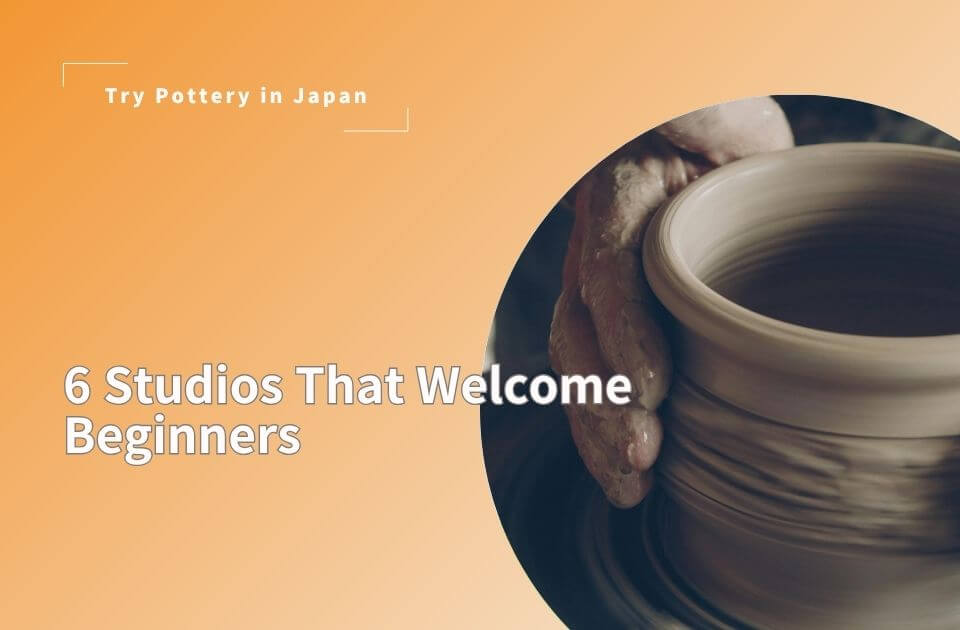
The first time I sat down at a pottery wheel in Japan, I was convinced I would produce something beautiful within the hour. I had seen the YouTube videos. It looked meditative, graceful, almost easy. Twenty minutes later, my “bowl” looked like a melted hat, the instructor was gently trying not to laugh, and my hands were caked in clay up to my elbows. It was one of the best mornings I have had in Japan.
Pottery, or “yakimono” and “togei” in Japanese, is not just an art form here. It is a living tradition woven into everyday life, from the teacup you drink matcha from to the plate your sashimi sits on. And increasingly, studios across Japan are opening their doors to beginners, including tourists who have never touched clay. Here are six studios where you can try it for yourself, even if your artistic ability peaked in kindergarten.
1. Zuikoyo Pottery Studio, Kyoto (Higashiyama)
Kyoto is the spiritual home of Kyo-yaki and Kiyomizu-yaki pottery, styles known for delicate hand-painting and refined forms. Zuikoyo, located a short walk from Kiyomizu-dera Temple in the Higashiyama district, offers beginner experiences that let you try both wheel throwing and hand-building.
The standard wheel-throwing course (rokuro taiken) costs 3,800 yen and takes about 60 to 90 minutes. You sit at an electric wheel, and an instructor guides your hands through centering the clay, opening it up, and pulling the walls of a cup or small bowl. Even if your first attempt collapses (mine did), the instructor is right there to help you restart. You typically make two to three pieces and choose your favorite to be fired.
The hand-painting course (2,800 yen) lets you decorate a pre-made piece with traditional Kyo-yaki designs using fine brushes. This is a good option if you want a more predictable result to take home.
Firing and shipping take about one to two months. They will mail your finished piece internationally for an additional shipping fee (typically 1,500 to 3,000 yen depending on destination). The joy of receiving a package months later with a cup you made in Kyoto is hard to overstate.
Book at least a few days ahead during peak seasons. Walk-ins are sometimes possible on weekdays. The studio is English-friendly, with instructors accustomed to guiding non-Japanese speakers.
2. Daikanyama Ceramic Studio, Tokyo
If you are based in Tokyo and want a pottery experience without leaving the city, Daikanyama Ceramic Studio in the trendy Daikanyama neighborhood offers a polished, beginner-friendly experience. The studio sits on a quiet side street about five minutes from Daikanyama Station on the Tokyu Toyoko Line.
Their one-day trial course (taiken course) runs 5,500 yen and includes wheel throwing, choice of glaze color, and firing. Sessions last about 90 minutes and are offered in English upon request. The studio space is modern and bright, more “design workshop” than “traditional atelier,” which gives the whole experience a contemporary feel.
I took a friend here who had never done pottery before, and she produced a genuinely beautiful sake cup on her first try. The instructor spent real time with each person, adjusting hand positions and offering encouragement. Finished pieces are shipped domestically within about six weeks, or internationally for an extra fee.
Daikanyama itself is worth exploring before or after your session. The Tsutaya Books complex (one of Tokyo’s most beautiful bookstores) is a few minutes away, and the neighborhood is packed with small cafes and independent boutiques.
3. Tokoname Pottery Path, Aichi Prefecture
Tokoname is one of Japan’s “Six Ancient Kilns,” with a pottery tradition dating back over 900 years. The town, located about 40 minutes south of Nagoya on the Meitetsu Tokoname Line, is built around ceramics. Walking the Tokoname Pottery Path (Yakimono Sanpo Michi), a 1.6-kilometer route through the old town, you pass kilns, workshops, brick chimneys, and walls embedded with discarded pottery. It feels like stepping into a living museum.
Several studios along the path offer beginner experiences. Morrina Workshop is particularly welcoming, with courses starting at 3,300 yen for hand-building or wheel throwing. The instructors are patient and the atmosphere is relaxed, more like making pottery with a friend than a formal class.
Tokoname is famous for its distinctive red clay, especially the unglazed “shudei” teapots called kyusu. If you are a tea lover, making your own kyusu here is a once-in-a-lifetime experience, though the teapot course (from 5,500 yen) requires a bit more time and effort.
Combine this with a visit to the INAXLive Museum (700 yen), an interactive tile and ceramics museum run by LIXIL that is surprisingly fun. The whole town makes for a perfect half-day or full-day side trip from Nagoya.
4. Okada Kiln, Arita, Saga Prefecture (Kyushu)
Arita is the birthplace of Japanese porcelain, where Korean potters brought the craft in the early 1600s. Arita-yaki porcelain, known for its white base and vivid blue, red, and gold decoration, is among Japan’s most famous and valuable ceramic traditions.
Okada Kiln, located just outside central Arita, offers beginner workshops in both hand-painting on pre-formed pieces (2,200 yen) and hand-building (3,300 yen). The painting experience is particularly special here because you are decorating in the actual Arita style, using the same cobalt blue pigments that have defined this pottery for over 400 years.
The studio is a working kiln, so you can see artisans creating production pieces alongside the workshop area. It is a reminder that this is not just a tourist activity but a tradition that people devote their lives to.
Arita itself is worth a full day. The Kyushu Ceramic Museum (free admission) houses an excellent collection spanning the region’s pottery history. Arita’s main street is lined with galleries and shops where you can buy directly from local kilns. Prices range from affordable everyday pieces (a rice bowl for 500 to 1,500 yen) to museum-quality works costing hundreds of thousands of yen.
Getting there: Arita Station is on the JR Sasebo Line, about 90 minutes from Hakata (Fukuoka) by limited express.
5. Shigaraki Ceramic Cultural Park, Shiga Prefecture
You have probably seen Shigaraki pottery without knowing it. Those chubby tanuki (raccoon dog) statues standing outside Japanese restaurants? That is Shigaraki-yaki. But this ancient pottery town, one of the Six Ancient Kilns, produces far more than novelty statues. Shigaraki ware is known for its rustic, earthy aesthetic, with natural ash glazes and the warm reddish-brown color of the local clay.
The Shigaraki Ceramic Cultural Park offers beginner pottery courses in a purpose-built facility. The wheel-throwing experience costs 2,000 yen (plus 1,200 yen for firing and shipping), which is remarkably affordable. Sessions run about 60 minutes and are available without reservation on weekdays, though weekend booking is recommended.
What makes Shigaraki special is the scale. The Cultural Park has large-scale outdoor kiln installations, rotating exhibitions, and artist residency spaces. The surrounding hills are dotted with noborigama (climbing kilns) and workshops. Driving around Shigaraki, you encounter massive tanuki statues, some several meters tall, guarding workshops and intersections.
Shigaraki is about 90 minutes from Kyoto by train (JR to Kibukawa, then the Shigaraki Kogen Railway). The little local train to Shigaraki is charming in itself, winding through forested hills with tanuki statues at every station.
6. Mashiko, Tochigi Prefecture
Mashiko is the pottery town that changed Japanese ceramics forever. In the 1920s and 1930s, the legendary potter Hamada Shoji settled here and, along with philosopher Yanagi Soetsu, championed the mingei (folk craft) movement that celebrated the beauty of everyday handmade objects. Today, Mashiko is home to over 300 pottery studios and kilns.
Tsukamoto Workshop, one of Mashiko’s most established studios, offers beginner courses from 2,750 yen for hand-building and 3,850 yen for wheel throwing. The clay here is Mashiko’s distinctive local variety, and the glazes include the famous Mashiko brown and persimmon colors. Sessions last about 60 to 90 minutes and English support is available.
The Mashiko Pottery Fair (Toki-ichi), held twice yearly in late April to early May and early November, attracts hundreds of thousands of visitors. Over 500 tents line the main road selling everything from 100-yen chopstick rests to signed masterpieces. Even outside fair season, the main gallery street (Jonaizaka) is lined with shops and studios open for browsing.
The Mashiko Museum of Ceramic Art (600 yen) and the former Hamada Shoji residence (adjacent, included) are essential visits. Seeing Hamada’s noborigama kiln and personal collection gives deep context to the pottery you are making.
Mashiko is about 90 minutes from Tokyo (Shinkansen to Oyama, then bus or local train). It makes a perfect day trip or overnight, especially combined with nearby Nikko.
What to Know Before You Go
Reservations: Always try to book ahead, especially on weekends and during peak travel seasons. Many studios accept online reservations through their websites or platforms like Jalan or Asoview.
Clothing: Wear something you do not mind getting dirty. Studios provide aprons, but clay has a way of finding exposed surfaces. Avoid long, loose sleeves.
Shipping time: Pottery needs to dry and be fired, which takes four to eight weeks depending on the studio. International shipping adds another week or two. Think of your finished piece as a surprise gift from past you.
Language: Most studios listed here offer some English support, but pottery is largely a visual and tactile activity. Even with a language barrier, an instructor can guide your hands and demonstrate techniques. I have seen workshops run beautifully with almost no shared language.
Cost summary: Budget 2,000 to 5,500 yen for the experience itself, plus 1,000 to 3,000 yen for firing, glazing, and domestic shipping, plus 1,500 to 3,000 yen for international shipping if needed. Total: roughly 4,500 to 11,500 yen for a handmade souvenir from Japan.
There is something deeply satisfying about drinking your morning coffee from a cup you made with your own hands in Japan. It is not perfect. It wobbles slightly, the glaze pooled in an unexpected way, and it is a little thicker on one side than the other. And every time you pick it up, you remember the smell of the clay, the feeling of the wheel spinning, and the instructor smiling and saying “ii desu ne” (that is nice) when your shape finally held. Go get your hands dirty. You will thank yourself every morning after.
Follow Japan is your insider guide to experiencing Japan like a local. Follow @followjapan_fj on Instagram for daily Japan travel tips and hidden gems.


