
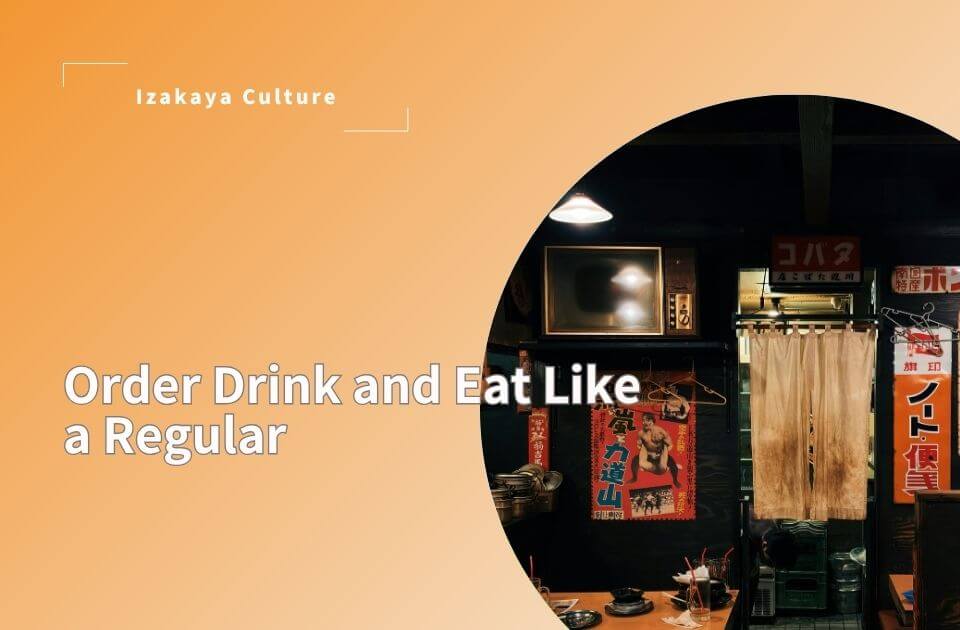
Let me tell you about the night I fell in love with izakaya. I had been in Japan for about two weeks, and a colleague took me to a place in Yurakucho, under the train tracks, where the walls were yellowed from decades of smoke and grease, the seats were mismatched stools, and the menu was handwritten on pieces of paper taped to every available surface. I could not read any of it. My colleague ordered for us, and over the next two hours, a parade of small dishes appeared: grilled chicken skin, simmered tofu, raw horse mackerel, pickled vegetables, and things I still cannot identify. We drank cheap beer and shochu highballs and talked about absolutely nothing important.
It was the best meal of my trip, and it cost about 3,000 yen per person.
An izakaya is not a restaurant. It is not a bar. It is something in between that does not have a perfect English translation. “Japanese pub” gets used a lot, but it misses the food component, which is equally important. An izakaya is a place where you go to drink and eat small dishes in a social, relaxed atmosphere. It is where Japanese people decompress after work, celebrate with friends, or just enjoy a quiet evening alone at the counter. Understanding izakaya culture is, in my opinion, essential to understanding Japan.
How to Find a Good Izakaya
Izakaya are everywhere. Literally everywhere. Every train station in Japan has at least a few within walking distance. The challenge is not finding one but finding a good one, especially when you cannot read Japanese.
Here are my rules of thumb:
Look for places that are busy with locals. This sounds obvious, but it works. If a place is packed at 8 PM on a Wednesday and everyone inside looks like they just came from work, you have found a good spot.
Avoid places with aggressive touts standing outside trying to pull you in. The best izakaya do not need to recruit customers from the sidewalk. In areas like Kabukicho in Shinjuku or parts of Roppongi, the touts can steer you to overpriced tourist traps. Walk past them.
Small is usually better than big. A 20-seat izakaya with a single chef behind the counter will almost always serve better food than a 200-seat chain. The chains (like Watami, Shirokiya, and Torikizoku) are fine for cheap, reliable drinking, but the magic of izakaya is in the independent places.
Look at the front of the building. A handwritten menu on paper, a noren curtain hanging in the doorway, and a warm yellow light coming from inside are all good signs. If the place has a plastic food display outside, it is probably a chain. If there is no English menu visible and the entrance looks slightly intimidating, that is often the best kind.
Walking In and Sitting Down
When you enter, someone will call out “irasshaimase!” (welcome). Tell them how many people you are by holding up fingers and saying “futari” (two people) or “hitori” (one person). They will seat you at either a table, a counter, or a tatami area with sunken floor seating.
Counter seats are my favorite. You sit facing the kitchen, you can see what is being prepared, and it is easy to point at things and say “sore kudasai” (that one, please). Sitting at the counter also makes it easier for the chef to recommend dishes based on what is fresh that day.
One thing that surprises many visitors: most izakaya charge a small seating fee called otoshi or tsukidashi. This is typically 300 to 500 yen per person, and it comes with a small appetizer dish that you did not order. This is not a scam. It is standard practice at nearly every izakaya in Japan, including the good ones. Think of it as a cover charge that comes with a snack. The dish might be edamame, a small salad, simmered vegetables, or marinated fish. Just eat it and move on.
How to Order Drinks
The first thing you order at an izakaya is always a drink. Always. Ordering food before drinks feels wrong in the izakaya universe. The standard first drink for many Japanese people is “toriaezu nama,” which means “draft beer for now.” It has become such a cultural institution that it is practically a reflexive response to sitting down.
A draft beer (nama biiru) typically costs 400 to 600 yen for a medium glass. The most common brands are Asahi, Kirin, Sapporo, and Suntory, and the specific brand depends on the izakaya’s contract with the brewery.
Beyond beer, the most popular izakaya drinks are:
Chuhai (shochu highball): Shochu (a distilled spirit) mixed with soda and fruit flavoring. Lemon chuhai is the most common, but you will also see grapefruit, ume (plum), and other varieties. About 350 to 500 yen.
Highball (whisky and soda): Japan has embraced the whisky highball with a passion. Suntory Kakubin highball is the standard izakaya version, crisp and refreshing. About 350 to 500 yen.
Sake (nihonshu): Served hot (atsukan) or cold (reishu). Most izakaya have a few sake options, and the staff can recommend based on your preference. A small flask (tokkuri) costs about 500 to 800 yen.
Shochu: Can be ordered straight, on the rocks, with hot water (oyuwari), or with cold water (mizuwari). Shochu comes in varieties made from sweet potato (imo), barley (mugi), rice (kome), and other bases. About 400 to 600 yen.
Non-alcoholic options: Oolong tea, green tea, ginger ale, and non-alcoholic beer are always available. Nobody will judge you for not drinking alcohol. About 250 to 400 yen.
Many izakaya offer nomihoudai (all-you-can-drink) plans for about 1,500 to 2,500 yen for two hours. These usually cover beer, chuhai, highballs, basic sake, and soft drinks. If your group plans to drink a lot, this is excellent value. Just tell the staff “nomihoudai onegaishimasu” when ordering.
How to Order Food
Izakaya food comes in small portions meant to be shared. This is not a place where everyone orders their own main course. Instead, the table orders a collection of dishes and everyone picks from the middle. A good rule is to order about two to three dishes per person, then add more as you go.
If you cannot read the menu, here are fail-safe orders that almost every izakaya serves:
Edamame: Boiled salted soybeans. The universal izakaya starter. About 300 to 400 yen.
Karaage: Fried chicken, usually thigh meat, marinated and deep-fried until crunchy. One of the best things on any izakaya menu. About 400 to 600 yen.
Yakitori: Grilled chicken skewers. Common types include momo (thigh), negima (chicken and green onion), tsukune (chicken meatball), kawa (skin), and nankotsu (cartilage). Usually 150 to 300 yen per skewer. Order a mix of salt (shio) and sauce (tare) seasoning.
Sashimi moriawase: An assortment of raw fish. The chef selects what is fresh. About 800 to 1,500 yen. This is often the best thing on the menu and will be noticeably better quality than what you might expect at these prices.
Dashimaki tamago: Rolled omelet made with dashi broth. Fluffy, savory, slightly sweet. About 400 to 600 yen. A sleeper hit that most visitors overlook.
Agedashi tofu: Deep-fried tofu in a light dashi broth. About 350 to 500 yen.
Hiyayakko: Cold tofu with toppings like grated ginger, green onion, and bonito flakes. Simple and refreshing. About 300 to 400 yen.
Yaki onigiri: Grilled rice balls with a crispy soy-glazed exterior. About 200 to 400 yen. Perfect for soaking up alcohol at the end of the night.
Shiokara: Fermented squid innards. I am including this as an advanced option. It is intensely salty and funky and pairs brilliantly with sake. About 400 yen. Most foreigners hate it. I love it. You will not know until you try.
Izakaya Etiquette
Before the first sip, raise your glass and say “kanpai!” (cheers) with your companions. This is universal and non-negotiable. Drinking before the kanpai is considered bad form.
When pouring drinks for others (especially beer or sake), pour for them before filling your own glass. They will reciprocate. This back-and-forth pouring is a social ritual that builds connection. Hold your glass with both hands when someone pours for you as a sign of respect.
At busy izakaya, dishes might come out at different times and in no particular order. This is normal. Eat things as they arrive. Do not wait for everything to come at once; that is a restaurant mindset, not an izakaya mindset.
When you want the bill, catch the server’s eye and make an “X” with your forearms, or say “okaikei onegaishimasu” (check, please). Most izakaya operate on a pay-at-the-register system rather than table payment. Many are cash-only, so have yen ready.
My Favorite Izakaya Areas
In Tokyo: the alleyways under the train tracks at Yurakucho and Shinbashi have some of the most atmospheric izakaya in the city. Omoide Yokocho (Memory Lane) near Shinjuku Station is tiny, smoky, and wonderful. Hoppy-dori in Asakusa is lively and welcoming to newcomers.
In Osaka: the Ura-Namba area south of Namba Station is packed with small izakaya. Tenma near Osaka Tenmangu Shrine is a local favorite with some of the cheapest drinks in the city.
In Kyoto: Pontocho alley along the Kamogawa River has izakaya ranging from budget to expensive, and the narrow pedestrian-only street is magical at night.
In Fukuoka: the yatai street food stalls along the river in Nakasu and Tenjin are technically street stalls, but the experience is pure izakaya energy. Sit at the counter, order ramen and yakitori and beer, and talk to the person next to you.
The real advice is this: stop planning and just walk into one. Any one. The worst izakaya experience of my life was still a good time. The best ones have become memories I genuinely treasure. That is what izakaya do. They take an ordinary evening and make it something you remember.
Find the noren curtain, push through it, sit down, and say “toriaezu nama.” Everything after that will take care of itself.
Follow Japan is your insider guide to experiencing Japan like a local. Follow @followjapan_fj on Instagram for daily Japan travel tips and hidden gems.


